September 25, 2026
Getting into an accident is stressful enough on its own, but navigating the collision repair process can feel equally overwhelming. When you hand your keys over to an auto body shop, it is easy to assume that everything will be handled flawlessly behind closed doors. However, small oversights and cut corners during the repair process can lead to serious safety risks, unexpected out-of-pocket costs, and diminished vehicle resale value. While you certainly shouldn't attempt complex structural or body fixes yourself, you still play a vital role in protecting your investment. By understanding the common pitfalls of auto body work, you can actively partner with a qualified professional to ensure your vehicle is restored safely, correctly, and completely.
1. Letting a Shop Ignore OEM Repair Guidelines
The Mistake
One of the most critical errors you can make as a vehicle owner is allowing a repair facility to use generic, off-the-cuff repair methods rather than adhering to original equipment manufacturer (OEM) guidelines. OEM guidelines are the precise, technical instructions established directly by your car's manufacturer. They outline the exact equipment, safety steps, and structural procedures required to restore your specific make and model to its original factory condition.
The Consequences
When a collision repair shop ignores these manufacturer-backed protocols, the structural integrity of your vehicle is directly compromised. Modern cars are engineered with precise crumple zones and advanced high-strength steels that react in very specific ways during a crash; improper repair techniques can fundamentally alter how these safety systems perform in a future collision.
How to Avoid It
When shopping around for an auto body repair facility, ask the manager or service advisor directly if their technicians strictly adhere to OEM repair procedures for your specific make and model. A reputable, high-quality shop will be fully subscribed to official manufacturer service portals, employ factory-trained technicians, and gladly confirm that they follow those protocols to protect both your safety and your factory warranty.
2. Skipping a Comprehensive Pre-Repair Inspection
The Mistake
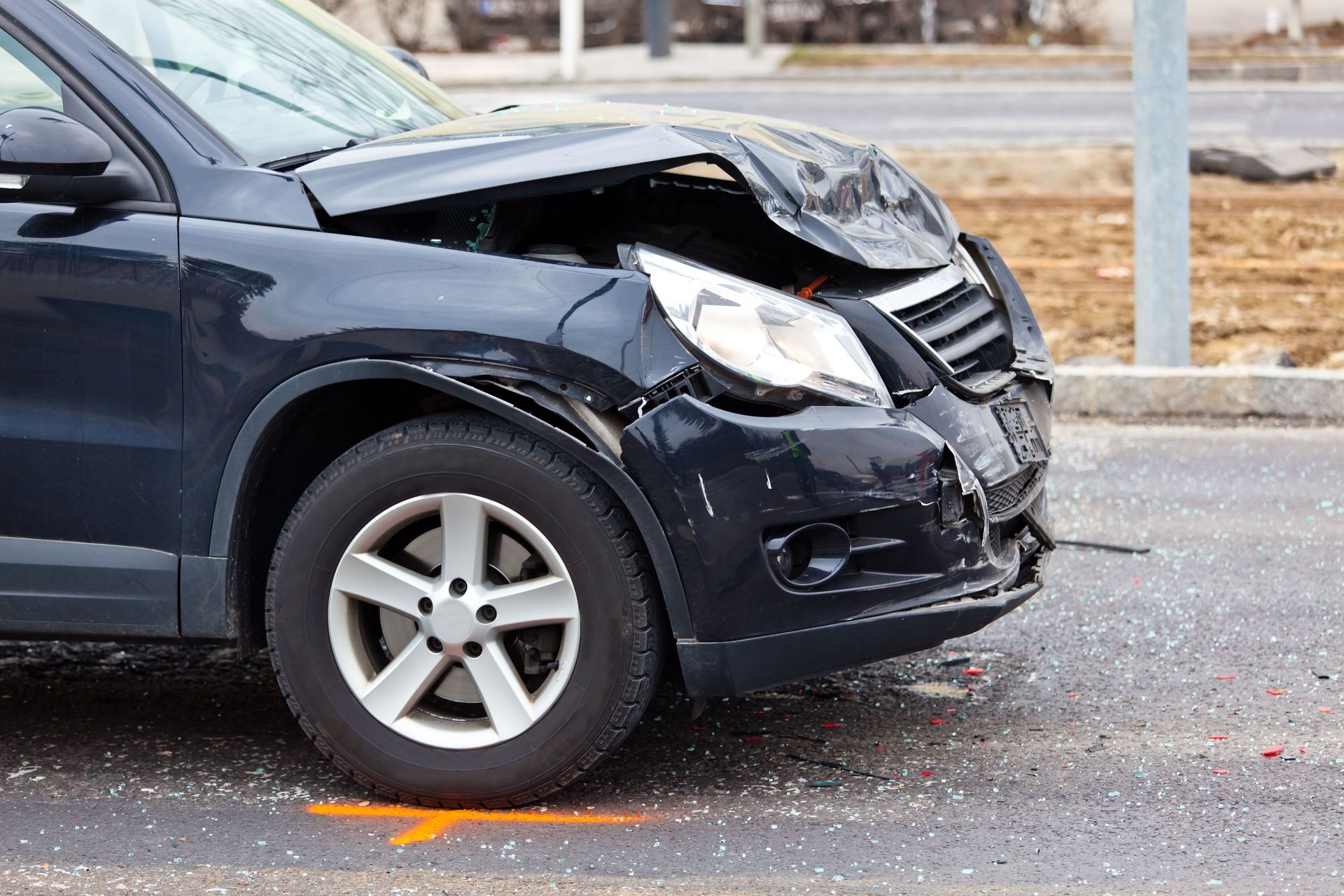
It is easy to fall into the trap of assuming that a quick visual estimate catches all the damage after an accident. Many car owners focus strictly on visible surface issues, like a crumpled fender or a scraped door, and rush straight into aesthetic repairs. However, the force of an impact travels deep beneath a car's outer skin, often leaving severe structural, mechanical, or electronic damage hidden from plain sight.
The Consequences
Leaving non-obvious issues unaddressed allows hidden damage to worsen over time, severely compromising your driving safety and leading to massive, unexpected repair bills down the road. In fact, according to the International Cooperative and Mutual Insurance Federation, over 25% of vehicle owners repair damaged bumpers instead of replacing them. This stat highlights a widespread issue: many drivers settle for cosmetic plastic repairs on the surface while completely missing cracked internal bumper foam, damaged structural mounts, or misaligned safety sensors underneath that actually require a full replacement.
How to Avoid It
Insist that your chosen collision repair facility performs a thorough teardown and diagnostic scan before finalizing their repair plan and estimate. Make sure you work with a shop that utilizes advanced diagnostic technology, such as computerized frame measuring and digital imaging tools. These modern devices identify internal structural shifts and electrical faults that are entirely invisible to the naked eye.
3. Underestimating Frame and Alignment Damage
The Mistake
Another frequent oversight is focusing heavily on cosmetic fixes, like pulling out dents and applying fresh paint, while completely underestimating frame damage. Even a relatively low-speed fender bender can exert enough energy to bend or twist your vehicle's underlying frame, changing the foundational geometry of the entire car.
The Consequences
Driving a vehicle with even a fraction of an inch of frame misalignment can severely impact how it handles on the road. It leads to rapid and uneven tire wear, steering wheel pulling, premature suspension failure, and strange cabin vibrations at highway speeds. Most alarmingly, a bent frame loses its structural capacity to absorb energy in a crash, putting you and your passengers at a drastically elevated risk of severe injury.
How to Avoid It
Stay vigilant for subtle indicators of frame damage both before and after a repair, such as uneven gaps between body panels, doors that stick or drag when closing, or a car that refuses to track straight down a level road. When choosing a collision repair shop, confirm that they utilize specialized, high-precision equipment like laser alignment systems and computerized measuring equipment to measure and restore your vehicle's frame back to its exact millimeter-level factory dimensions.
4. Allowing the Use of Incompatible Paints or Materials
The Mistake
Car owners often treat auto paint as a simple cosmetic finish, failing to verify that their repair shop is using body materials, primers, and clear coats specifically formulated for their vehicle's exact make, model, and body material.
The Consequences
Vehicle bodies today are built using a complex mix of traditional steel, lightweight aluminum, and composite materials, each requiring specific paints and bonding agents. Using mismatched materials or applying paint in an uncontrolled environment leads to terrible adhesion, premature peeling, fading, and rust formation underneath the clear coat.
How to Avoid It
Inquire about the shop's painting facility and color-matching technology before committing to a repair. Professional body shops utilize climate-controlled, highly ventilated spray booths to eliminate dust, humidity, and temperature variables that ruin paint application. They should also employ digital color-matching tools to accurately blend the new paint with your vehicle's existing, slightly weathered factory finish for a completely seamless look.
5. Skipping the Post-Repair Walk-Around Inspection
The Mistake
After waiting days or weeks to get your car back, the temptation to simply grab your keys, pay the bill, and drive off the lot as quickly as possible is extremely strong. Skipping a structured post-repair quality check alongside your service advisor is a major mistake that leaves you vulnerable to sloppy craftsmanship.
The Consequences
If you drive away without carefully inspecting the finished work, you might miss misaligned body panels, subtle paint runs, unfinished interior trim, or active dashboard warning lights until you get home. Trying to get an auto body shop to take accountability for missed defects weeks after you have signed off on the delivery sheet and left the premises is significantly harder than addressing those issues while the car is still parked on their lot.
How to Avoid It
Before handing over payment or taking final possession of your vehicle, ask the service advisor to conduct a thorough, step-by-step walk-around with you. Inspect all repaired areas under direct lighting, open and close every door, trunk, and hood to check for smooth operation, inspect the paint from multiple angles for overspray, and turn on the ignition to verify that all electrical components and safety systems are functioning flawlessly without any warning lights.
6. Tolerating Poor or Unclear Communication
The Mistake
Perhaps the most frustrating mistake car owners make is tolerating a collision repair facility that operates in secrecy, leaving you completely in the dark regarding repair timelines, insurance approvals, and creeping labor costs.
The Consequences
A complete lack of clear communication creates unnecessary stress, leads to massive unexpected charges on your final invoice, and often results in out-of-pocket expenses for extended rental car fees when repairs take far longer than originally promised. When an auto body shop fails to communicate upfront, it usually indicates a lack of internal organization and poor overall service standards.
How to Avoid It
Establish clear communication expectations the moment you drop off your vehicle. Partner with a shop that provides regular, proactive updates via phone or text and sets realistic, honest completion timelines from day one. A truly professional repair team will take the time to explain complex mechanical procedures in plain language, consult you immediately if hidden damage causes an estimate change, and ensure you feel completely informed and confident throughout the entire repair process.
By avoiding these common pitfalls and insisting on a transparent, OEM-compliant collision repair shop, you can navigate the post-accident process with confidence, ensuring your car is returned to you as safe, sound, and seamless as the day you bought it. To learn more, reach out to the experts at East Coast Collision Center today.