July 22, 2026
An automobile accident is a stressful and jarring experience, leaving vehicle owners dealing with insurance paperwork, potential injuries, and the sudden loss of reliable transportation. Once the initial shock subsides, the primary concern quickly shifts to restoring the vehicle to its pre-accident condition. Navigating the aftermath of a crash requires an understanding of what takes place behind the scenes at a dedicated automotive facility. Knowing what to expect from professional collision repair can alleviate anxiety, clarify timeline expectations, and ensure that your vehicle is returned to you in a safe, roadworthy state.
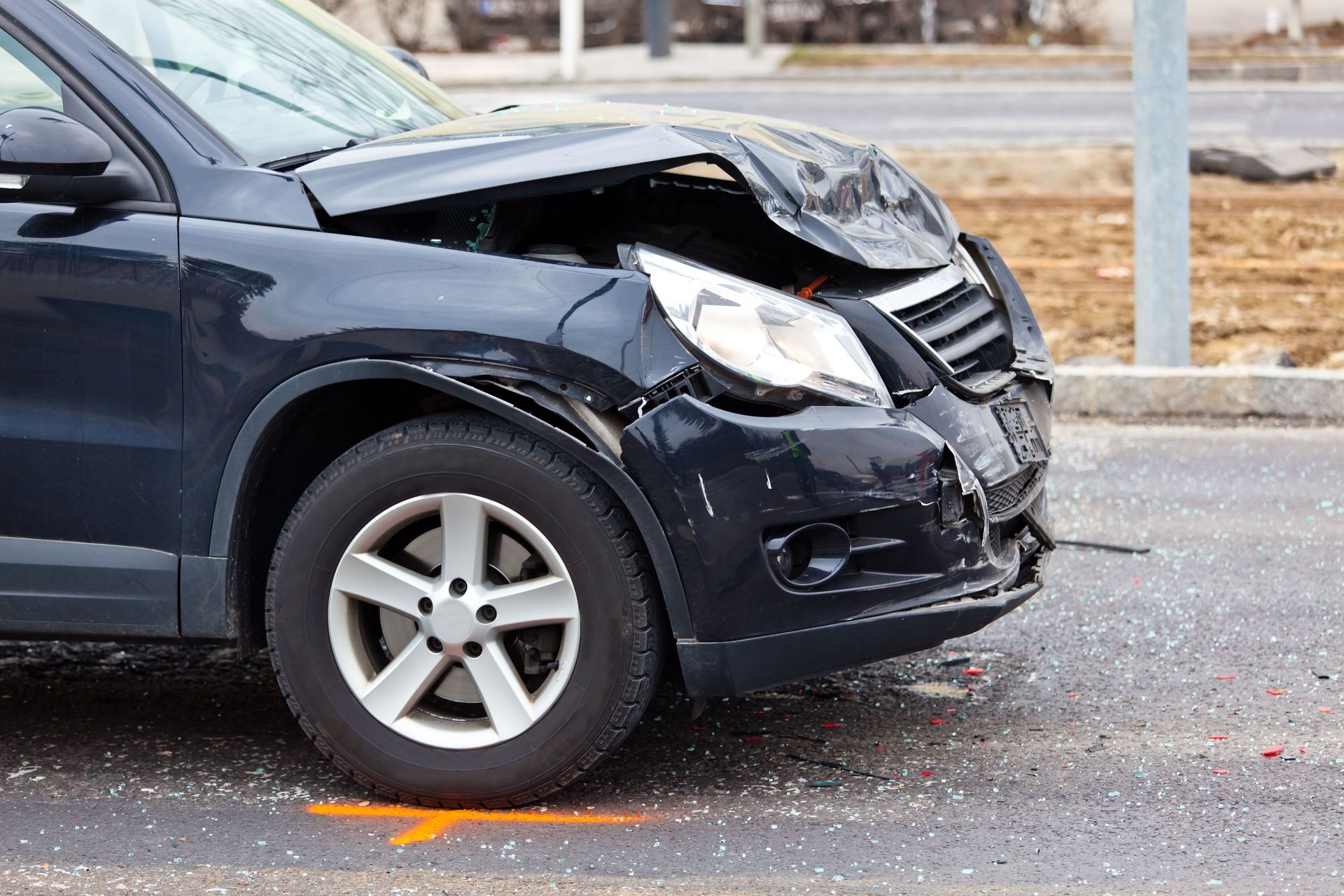
When you first bring your vehicle to a facility specializing in automotive restoration, the process begins with a meticulous assessment. Many drivers assume that a technician simply walks around the car with a clipboard, notes the visible dents or broken lights, and writes up a quick price estimate. In reality, modern automotive collision repair is a highly sophisticated engineering discipline. Technicians must look beneath the surface to identify structural damage that might not be visible to the naked eye. Crumple zones, which are designed to absorb the energy of an impact, can deform in ways that are only apparent once outer body panels are carefully removed.
Managing Detailed Estimates and Shop Workflow
The initial consultation results in a comprehensive collision repair estimate, which serves as a blueprint for the entire project. This document outlines the specific parts that need replacement, the labor hours required for mechanical and body work, and the paint formulations needed to match your vehicle's factory finish. It is during this estimation and scheduling phase that vehicle owners often wonder how quickly their car will move through the facility. Managing workflow is a precise science for modern automotive businesses, which must balance heavy volumes of local drivers in need of assistance. According to data from PartsTech, the average automotive repair shop in the U.S. services approximately 2.2 vehicles per bay each day. This consistent turnaround demonstrates how efficiently technicians must operate to keep projects moving forward without sacrificing the rigorous quality controls required for structural safety.
Once you and your insurance provider approve the estimate, the physical disassembly of the damaged areas begins. Professional collision repair requires structural technicians to meticulously dismantle the affected sections of the vehicle, labeling every clip, wire harness, and sensor. During this phase, it is entirely common for the shop to uncover supplemental damage. For example, a minor bumper impact might have hidden a cracked radiator support or a bent suspension component. If additional issues are found, the shop will pause to submit a supplemental claim to the insurance company, ensuring every dollar of necessary repair is covered before proceeding.
Executing Structural Realignment and Body Restoration
After the full scope of the damage is mapped out and all necessary replacement parts are ordered, the vehicle moves into the structural repair phase. This is arguably the most critical stage of the entire process, particularly if the accident involved a heavy impact. Modern vehicles rely on unibody construction, where the frame and body are integrated into a single, cohesive structure. If this frame is even slightly misaligned, the vehicle will not handle correctly, tires will wear unevenly, and the car will fail to protect passengers properly in a future accident.
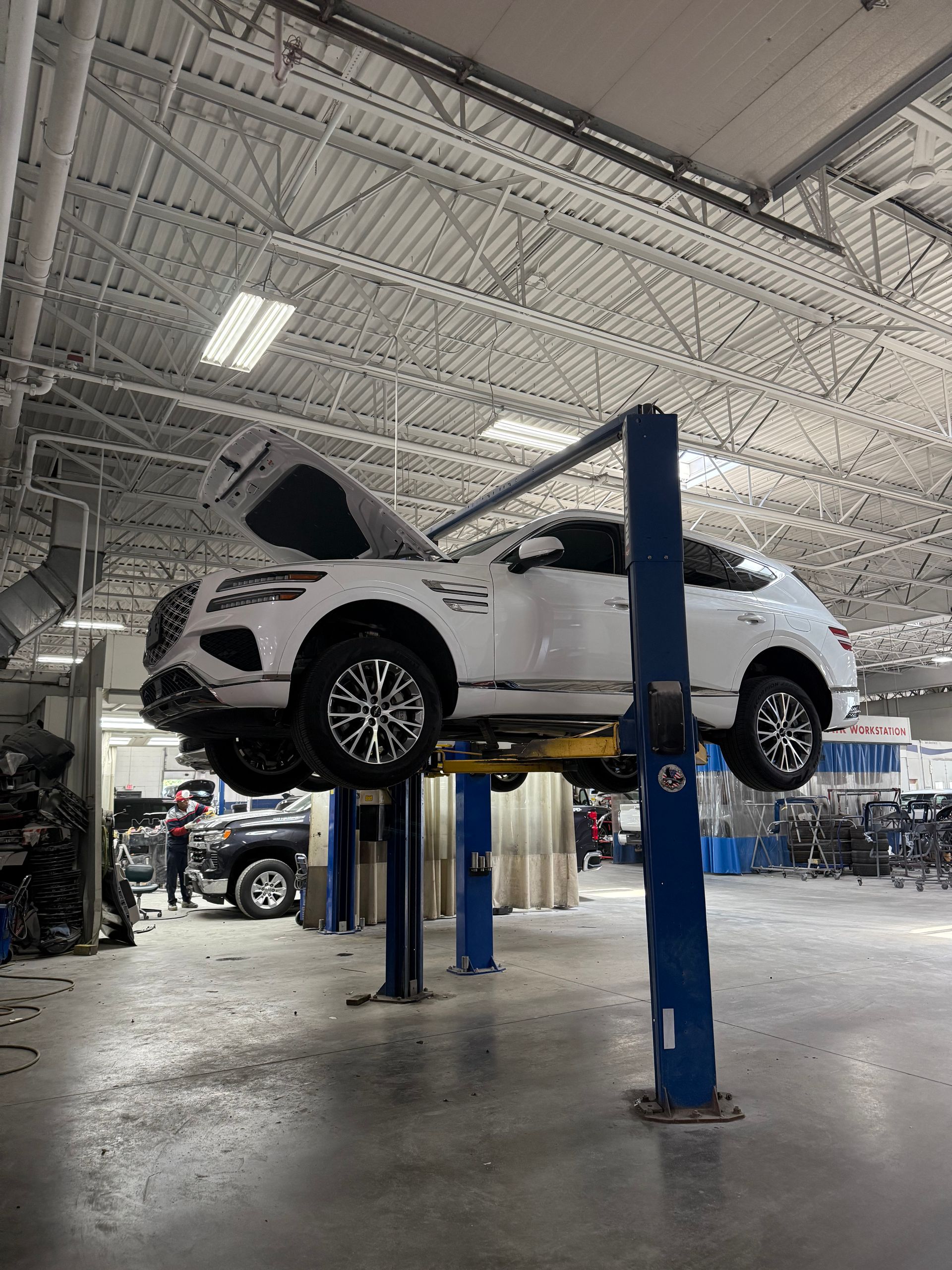
To rectify this, professional shops utilize advanced electronic measuring systems and heavy-duty frame racks. The vehicle is secured to a rigid platform, and computerized lasers measure specific factory data points across the chassis. Technicians then use hydraulic pulling equipment to gently restore the metal to its exact original specifications, ensuring the structural integrity of the vehicle is completely revived.
With the underlying framework perfectly squared away, the team can transition to outer body restoration and panel alignment. This is where the aesthetic shape of your vehicle begins to emerge once again. Technicians weld new quarter panels, bolt on factory-fresh fenders, and align hoods and trunk lids to ensure that all gaps between panels are completely uniform. Precision during this stage is vital, as poorly aligned panels can lead to wind noise, water leaks, and issues with door latches over time. Skilled technicians use specialized tools to smooth out minor imperfections, apply specialized fillers, and block-sand the surfaces until they are completely flawless and smooth to the touch.
Mastering the Art and Science of Automotive Refinishing
Once the body panels are perfectly shaped and prepped, the vehicle enters the painting and refinishing phase, which is both an art and a science. Matching factory paint is incredibly difficult due to natural weathering, sun exposure, and slight variations in paint batches from the original manufacturer. To achieve an invisible blend, refinish technicians utilize computerized color-matching technology that analyzes the vehicle's current paint condition. They then mix a custom formula to ensure the new paint matches the rest of the vehicle seamlessly.
The actual painting takes place in a highly controlled, pressurized down-draft spray booth. These booths are designed to keep the air entirely free of dust, lint, and overspray, which could otherwise ruin the finish. Technicians apply a primer layer, followed by multiple coats of the base color, and finish with a durable clear coat that provides gloss and UV protection. After the paint is applied, the booth bakes the finish at high temperatures to cure the chemicals rapidly, ensuring a factory-hardened surface that will withstand the elements for years to come.
Finalizing Reassembly and Safety Calibration
After the paint has fully cured, the vehicle moves to the reassembly area. This stage involves putting the puzzle back together, installing interior door panels, glass, headlights, trim pieces, and electronic components. In modern vehicles, reassembly also requires a massive amount of digital calibration. Advanced Driver Assistance Systems, commonly known as ADAS, rely on cameras, radar, and ultrasonic sensors embedded in bumpers, mirrors, and windshields to operate features like automatic emergency braking, lane-keeping assist, and adaptive cruise control.
Any time a bumper or mirror is removed during collision repair, these sensitive sensors must be digitally recalibrated using specialized diagnostic computers. Without this step, the safety features might miscalculate distances on the road, creating a hazard for the driver. Professional shops dedicate significant time to scanning the vehicle’s onboard computer networks, ensuring that every safety system is online, calibrated, and entirely free of error codes before the keys are handed back to the owner.
Conducting Final Inspections and Detailing
The final stage of the automotive restoration journey involves a comprehensive quality assurance inspection and thorough detailing. A dedicated inspector or shop manager will test-drive the vehicle to verify that the alignment is straight, the suspension handles correctly, and there are no unusual squeaks or rattles. They will also test all electronic functions, lights, and mechanical components to confirm everything operates exactly as it did before the accident.
Once the mechanical and structural integrity is verified, the car is sent to the detailing bay, where it is washed, vacuumed, and polished. This step removes any microscopic drywall dust, compound residue, or stray fingerprints that accumulated during the heavy structural work, ensuring the car looks immaculate upon delivery.
While the process involves many intricate steps, specialized equipment, and careful coordination with insurance adjusters, understanding this sequence allows you to set realistic expectations for the timeline and appreciate the immense craftsmanship that goes into rebuilding a modern vehicle. By trusting your vehicle to certified professionals who prioritize structural precision, digital safety calibration, and flawless refinishing, you ensure that your car will continue to protect you and your family for thousands of miles to come. Trust the experts at East Coast Collision Center to restore your vehicle to factory standards and get you back on the road safely.