November 25, 2026
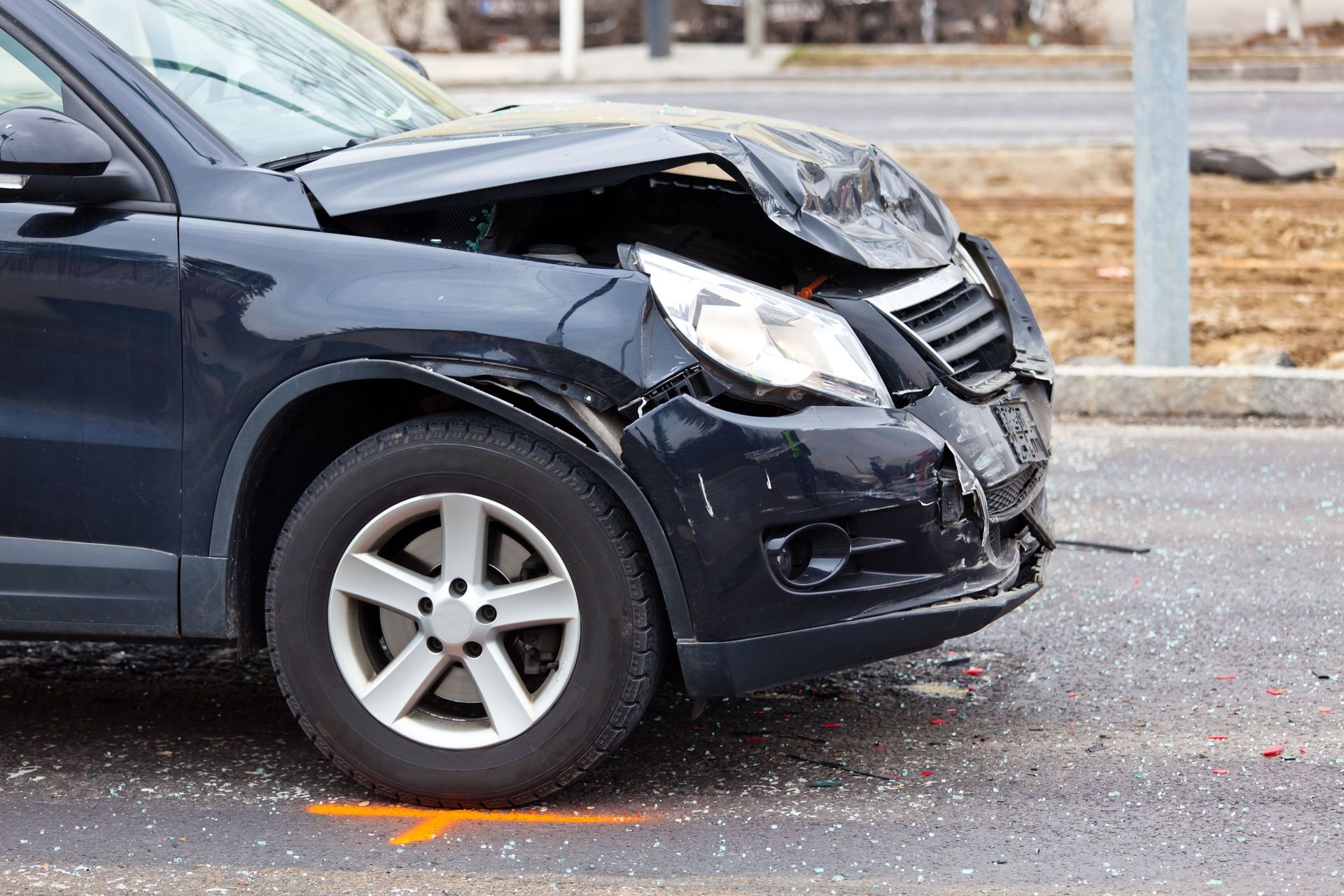
A collision can leave anything from minor dents to extensive damage across several body panels. Even when a vehicle remains drivable, visible damage may indicate problems that are not immediately obvious. Drivers turn to professionals because restoring a vehicle involves more than improving its exterior. A careful assessment identifies the work needed to return it to an appropriate condition.
An auto body shop can evaluate panels, paint, bumpers, and other exterior components before recommending repairs. Technicians consider the damage, vehicle construction, and appropriate procedures. This helps address the vehicle's actual condition rather than only its most noticeable marks. A complete repair plan also clarifies the process for the owner.
Protecting Structural Integrity and Occupant Safety
Modern vehicles use structural components to manage crash forces and protect occupants. Damage to frames, crumple zones, supports, or mounting points can affect performance in another collision. Some problems are not apparent during a quick visual inspection, making professional evaluation important after an impact. This is one reason an auto body shop inspection should extend beyond visible dents and paint damage.
Repair facilities use measuring systems, manufacturer information, and specialized procedures to assess structural damage. The correct approach depends on vehicle design and impact severity. An auto body shop with appropriate training can determine which repairs are necessary and whether components need replacement. This is a key reason drivers seek professional service after an accident.
Accessing Specialized Tools and Repair Equipment
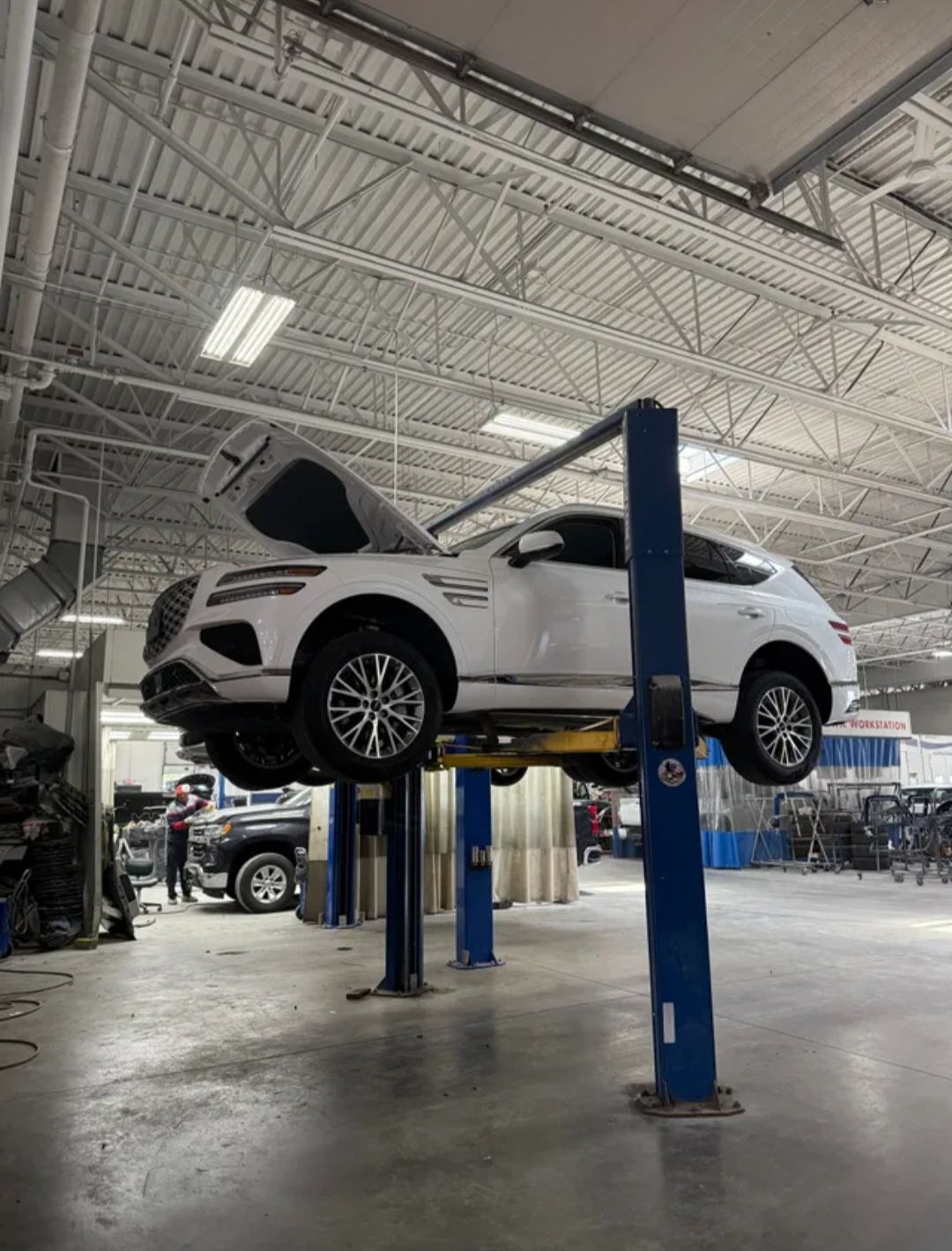
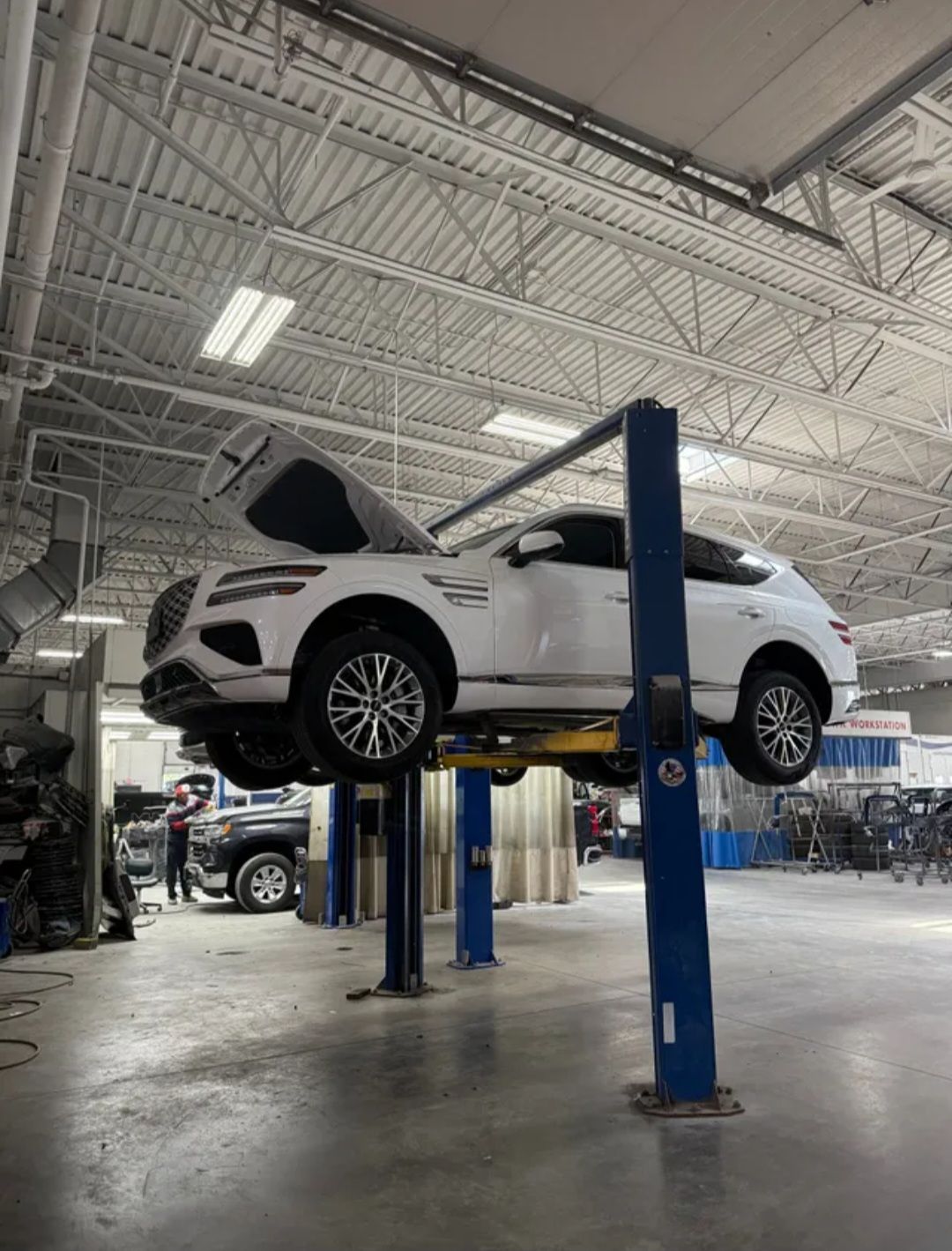
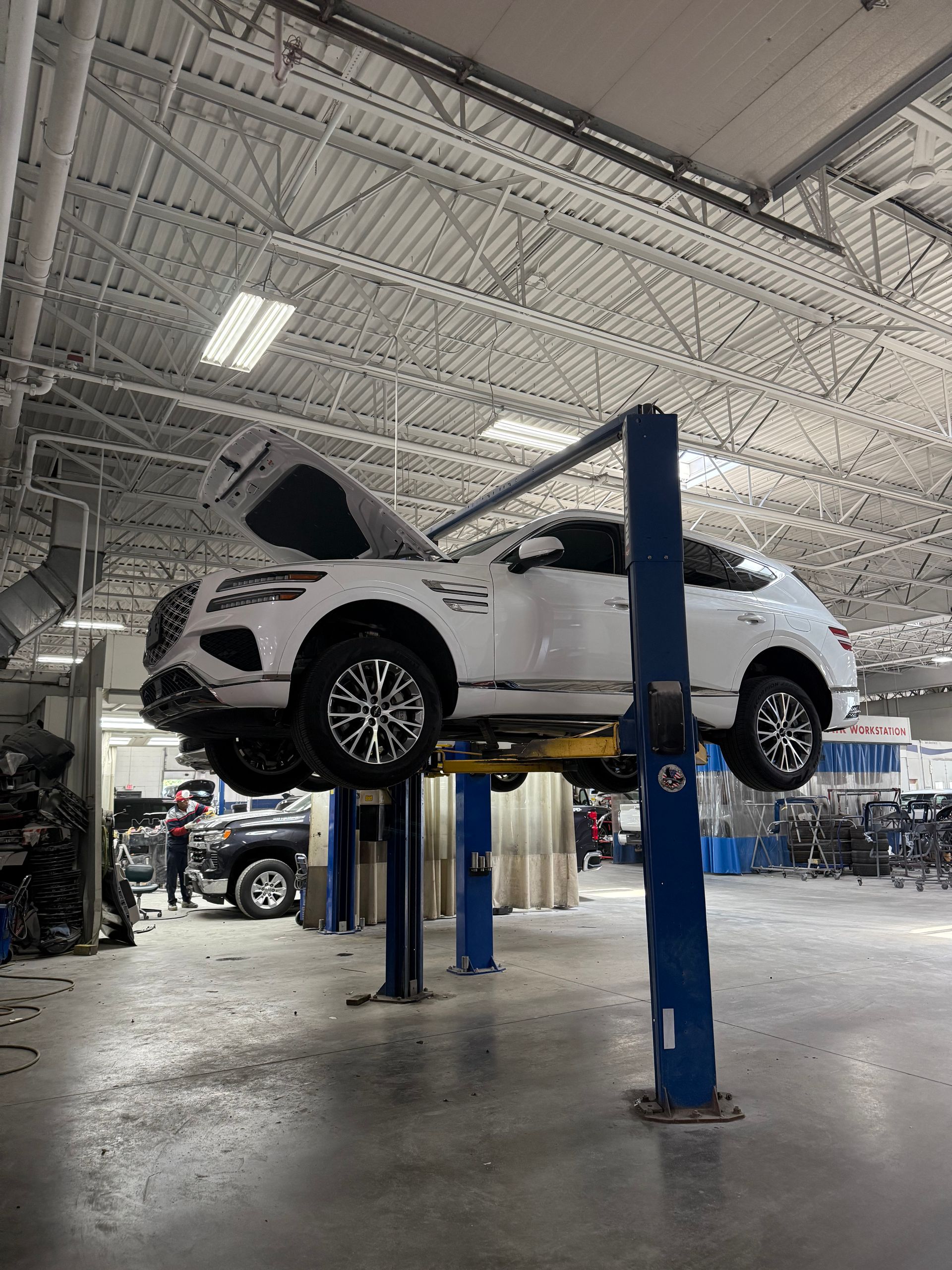
Collision repairs can require equipment that is not typically available to vehicle owners. Frame measuring systems, panel repair tools, welding equipment, paint booths, and diagnostic technology each serve specific purposes. Using the right equipment helps technicians complete repairs accurately and work with materials commonly found in modern vehicles. Different makes and models may also require distinct procedures.
Professional facilities invest in tools for dent correction, refinishing, and structural work. Technicians select equipment based on the vehicle and damage rather than relying on one method for every situation. An auto body shop may also use controlled refinishing environments to manage dust and other conditions that affect appearance. Specialized resources support more consistent work.
Matching Paint and Refinishing Exterior Surfaces
Paint damage is one of the most visible consequences of a collision. Scratches, chips, and damaged panels can leave a vehicle looking uneven, particularly when replacement parts or repaired sections do not match the surrounding finish. Proper refinishing involves more than applying a similar color. Technicians must account for the vehicle's paint code, finish type, surface preparation, and how the color appears under different lighting.
Professional refinishing may involve color matching, blending adjacent panels, and applying clear coats. The goal is a consistent appearance and a protected surface. An experienced auto body shop can determine how much refinishing is needed and select an appropriate process. Careful work helps prevent visible differences between repaired and original areas.
Identifying Hidden Damage and Related Problems
Not all collision damage can be seen from outside the vehicle. An impact may affect brackets, sensors, wiring, cooling components, suspension connections, or other parts located behind body panels. A vehicle may appear to have only cosmetic damage while important systems require further inspection. Overlooking these issues can lead to additional problems after the vehicle returns to regular use.
Professional inspections help uncover damage that may not be obvious. Technicians can remove panels, inspect related components, and use diagnostic equipment when needed. If additional damage appears, the facility can explain the findings and discuss next steps with the owner. This ensures the repair plan reflects more than visible exterior damage.
Coordinating Repairs With Insurance Requirements
After a collision, drivers may need to manage estimates, claim documentation, approvals, and communication with an insurance provider. These steps can feel complicated, especially when the extent of damage changes after a more detailed inspection. Repair facilities regularly work with collision documentation and can help explain the information needed during the process. The vehicle owner should still review coverage, deductibles, and claim decisions directly with the insurer.
An auto body shop can prepare an estimate, document damage, and communicate with an insurer when authorized. Hidden damage may require supplemental documentation before additional work is approved. Clear communication explains what the estimate includes and whether the scope has changed, keeping the driver informed about decisions affecting the vehicle. The facility can also clarify which items are pending insurer review and which have been authorized.
Preserving Vehicle Value and Long-Term Condition
A vehicle is a significant purchase, and its condition can influence its resale or trade-in appeal. Visible dents, mismatched paint, and poorly repaired panels may raise questions for prospective buyers. More importantly, incomplete repairs can leave underlying damage unresolved. Professional work helps address the condition of the vehicle and provides documentation that may be useful when discussing its repair history.
Repair value depends on damage, vehicle age, parts availability, and workmanship. No repair guarantees a particular resale price, but service records give future buyers a clearer picture of what was addressed. Keeping documentation also helps owners understand completed work if related concerns arise. Drivers comparing facilities may ask how repairs will be recorded and whether the completed work will be explained at pickup.
Keeping Pace With Changing Automotive Technology
Vehicle construction and safety technology continue to evolve. Many newer models use advanced materials, driver assistance features, cameras, radar sensors, and electronic systems that can be affected by collision damage. Repairs may require manufacturer-specific procedures, specialized training, and calibration after certain components are removed or replaced. A repair approach that was suitable for an older vehicle may not be appropriate for a newer model.
Industry growth reflects the continuing importance of vehicle maintenance and repair. According to Body Shop Business, the auto care industry generated approximately $414 billion in 2024 and is forecast to exceed $664 billion by 2028. This projected expansion highlights the scale of services associated with keeping vehicles in operating condition. For collision repairs, changing vehicle designs make updated equipment and technician knowledge especially important.
Choosing Professional Service for Collision Repairs
Selecting a repair facility is an important decision after an accident. Drivers can ask an auto body shop about technician experience, repair procedures, parts, warranties, communication, and the facility's familiarity with their vehicle make and model. They should also understand how estimates are prepared and how unexpected findings will be handled. Clear answers help drivers make informed decisions before authorizing work.
A professional repair process includes an assessment, an explanation of recommended work, updates, and a review of completed repairs. Drivers should receive information about remaining concerns and service documentation. An auto body shop with clear communication helps owners understand each stage and whom to contact with questions, especially when repairs involve several systems or an insurer. Drivers should feel comfortable asking for clarification when a recommendation or repair term is unfamiliar.
Collision damage can be stressful, but professional repairs give drivers a way to address visible damage and investigate concerns that may affect vehicle safety or performance. Specialized equipment, trained technicians, accurate refinishing, and clear communication all contribute to a more complete repair experience. Choosing a facility that understands the vehicle and its repair requirements helps owners make informed decisions after an accident. An
auto body shop should explain the expected timeline and provide updates if parts availability or newly discovered damage changes the schedule.
East Coast Collision Center is ready to help drivers navigate the collision repair process with careful evaluations and professional service. Our team can assess your vehicle's damage, explain the recommended work, and keep you informed as repairs progress. We understand the importance of restoring both appearance and function after an unexpected collision. Contact East Coast Collision Center to discuss your repair needs and arrange an evaluation for your vehicle.